


We all make mistakes. I certainly have — from trusting the wrong builders to tiling a kitchen myself (spoiler alert: never again). But after more than a decade in property, I’ve seen the same patterns repeat again and again.
Here are the five most common (and costly) mistakes new investors make — and how to avoid them.
1. Believing Hype Over Strategy
One of my earliest projects was converting a house into a seven-bed HMO. I’d been told on a course that I could refinance it on a commercial valuation — that was the plan. But when the time came, the bank didn’t agree.
That assumption scuppered everything. I had another purchase lined up, and I needed the refinance to fund it. When it fell through, I had to raise private finance quickly to keep everything afloat.
The lesson? A strategy only works if it’s grounded in reality. Not all areas suit commercial valuations. Not every lender will agree with your maths.
“The trouble with the world is not that people know too little; it’s that they know so many things that just aren’t so.”
— Mark Twain
If you’re making big investment decisions, your strategy needs to be based on facts — not hope, and not hype.
2. Trusting the Wrong People
This one is painful — but I’ve trusted a lot of the wrong people over the years.

Builders who walked off site. JV partners who disappeared when things got hard. People I held in high opinion who, when pressure hit, dropped their standards. I’ve been deceived, manipulated, and left to pick up the pieces more times than I care to count.
It’s one of the reasons I became a mediator. I saw just how often conflict shows up in property, and how destructive it can be when no one’s equipped to handle it.
“Trust is built in drops and lost in buckets.”
— Kevin Plank
These days, I recommend clear expectations, strong contracts, and — for anything high-stakes — involving a neutral third party at the start.
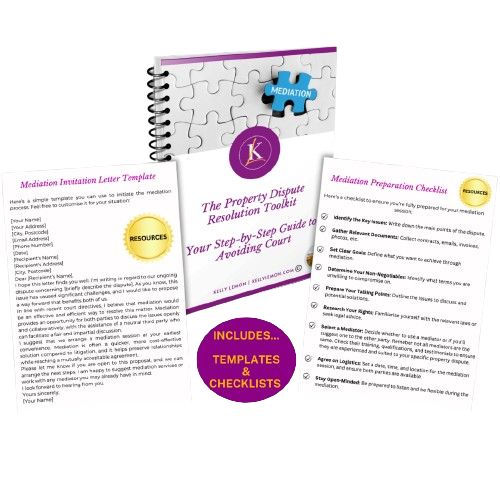
If you’re already in conflict, my Property Conflict Toolkit might help.
3. Thinking Cheap Means Profitable
I once bought a flat in a block that looked like a bargain. Great rental yield on paper, strong demand — but what I hadn’t accounted for was the block management.
It was awful. The condition of the building dragged everything down. My tenant experience suffered. And the resale value? Damaged.
The mistake? Only looking at the price — not the bigger picture.
“Price is what you pay. Value is what you get.”
— Warren Buffett
The cheapest property isn’t always the best investment. You need to assess tenant demand, management, maintenance, and long-term viability — not just the sticker price.

4. Trying to Do Everything Yourself
In my early years, I actually signed up for a two-day tiling course. I figured I’d save money doing the kitchen myself in one of my HMOs.
It was ridiculous.
I was on my knees in agony, the finish wasn’t great, and it took me forever. Worst of all, I was wasting time doing something I wasn’t trained for — instead of focusing on what actually grows the business.
Don’t try to be the entire team. Build the team. You’re the investor — that’s your job.
5. Overdeveloping (and Taking It Too Personally)
This is one I see time and time again.
People learn about HMOs or Serviced Accommodation and suddenly want to convert everything. I’ve seen three-bed flats squeezed into four-bed HMOs. I’ve seen investors spend more on a refurb than the entire property ends up being worth — all because they got carried away with what it could be.
When I’ve mentored people through this, it’s often started with good intentions: “Let’s maximise the space, let’s go high spec.” But if the numbers don’t support it, it can cripple your returns before the property’s even let.
And it’s often emotional. People want to make it “nice.” They treat it like their own home. But this isn’t your home — it’s a business.
Worse still, many believe the commercial valuations they’re told to expect. The truth? Commercial valuations are based on evidence, not effort. Just because you’ve poured your heart into a refurb doesn’t mean the valuer will agree.

How to Avoid These Mistakes?
Honestly? It starts with clarity.
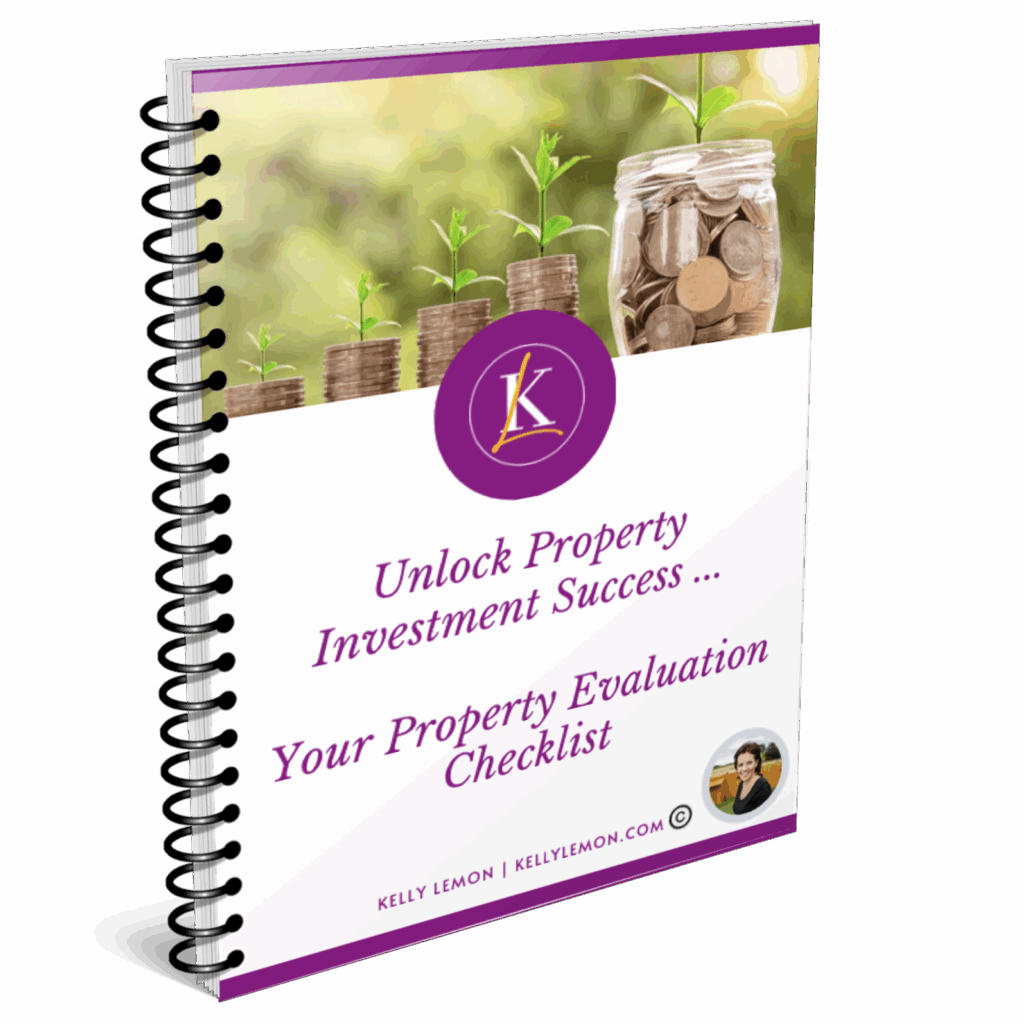
That’s why I created the Property Checklist — so you can stay grounded in the numbers, the facts, and your actual investment criteria before diving in.
And if you are already in a messy situation with a builder or JV partner?
The Property Conflict Toolkit is there to help you get back on track.
Investing in property can absolutely change your life — it has for me.
But only if you avoid the mistakes that turn potential into problems.
Build slow. Build well. Build smart.
Want to know more on this topic? Check out my video:



 Kelly Lemon